Tuesday, August 29, 2006

AN AROMATIC BATH EXPERIENCE


Adding essential oils to base oils is one method of preparing bath and massage oil blends. Essential oils can also be added directly to the bath water.
The quantities given below are for direct addition to the bath. If you blend with base oil, use approximately (depending on the essential oil) 60-drops to 3¼-oz of oil.
If lack of time is a factor in your life, then the direct application into the bath water is an easy, quick alternative.
• Run the bath water first;
• While the bath water is running, prepare everything you need for your bath so that you will be comfortable. Think about music, towels, a head pillow or folded towel, a glass of water or herbal tea, candles, and a do not disturb sign for your bathroom door;
• Add the essential oils only once the bath is full and the water is turned off, just before you are ready to step into the bath;
• Swirl the oils around in the bath with your hands to ensure dispersion; and then
• Enter the bath and soak for around 10 minutes.

If a full bath is not possible, a hand or footbath can be excellent.
Do not be tempted to add more than the stated amounts. Essential oils should never burn or irritate the skin. The heat and water of the bath can enhance absorption, so always err on the side of caution and use less than you think you need to, then add more drop by drop.

You may experience slight tingling with essential oils that contain menthol, such as peppermint, but this disappears quickly once you step out and dry off.

Citrus oils in particular can intensify their action on the skin when mixed with the heat of the bath water. Again, remember to use only the stated amount in the formula. You can study the safe and effective use of essential oils in a series of accredited online holistic aromatherapy programs at achs.edu.

Stimulating Morning Bath
Rosemary Rosmarinus officinalis oil: 5-drops
Peppermint Mentha piperita oil: 2-drops

Nervous Exhaustion Bath
Geranium Pelargonium graveolens oil: 4-drops
Basil Ocimum basilicum oil: 2-drops

An Introduction to Holistic Wellness


well·ness (wlns)
n.
The condition of good physical and mental health, especially when maintained by proper diet, exercise, and habits.

Most often, western (or allopathic) health care focuses on illness and disease. Indeed, focusing on ill health may sometimes be necessary, for instance to address problems that require surgical intervention or medication.

However, here at the Australasian College, we teach a holistic perspective of health. We like to teach each student to focus on the overall holistic concept of wellness and the tools that we can all use to stay well. This introduction is intended to assist you to do this.

Why focus on wellness?
Any psychologist will tell you that focusing on a concept is the first step to achieving it. An equestrian will tell you that you must look over the jump ahead to where you want to go: If you look at the jump, your horse will balk. A car racer will tell you that you need to look at where you want the car to go, not what you need to avoid.
However, how often do we focus on wellness? Instead, we go from day to day, not thinking about our health or body until it begins to ache, a joint twinges, or a headache starts. Then we try to remedy the problem.
Wellness is a wider concept, encompassing our physical, mental, and spiritual sides. Each day we make a myriad of decisions that affect the balance of our body and our wellbeing:
• What we eat for breakfast: Whole-wheat toast with a poached organic egg or a fast food sandwich?
• How we respond to our morning commute: By getting upset at other drivers and changing lanes every ten seconds or by listening to classical music and deep breathing?
• How we respond to feeling sleepy during the day: Choosing a third (or seventh) cup of coffee or selecting a tonic herbal tea blend?
• How we act when we get home from work: Collapsing on the couch, exhausted, or summoning up the will to stop at the gym or a yoga class on the way home, or popping in a yoga tape at home?
Each decision we make throughout each day creates our wellness.

Stress
In our view, stress is one of the most harmful issues our bodies have to deal with in the modern world. Stress is linked to many illnesses. Stress has been shown to affect thyroid function, to affect our immune systems, our blood sugar levels, cause headaches, cause ulcers, and affect just about every aspect of our lives and our bodies.
Feeling in control reduces stress in our lives. There are a number of steps to regaining that sense of control. One is having the tools we need to achieve wellness.

Tools for Wellness
The Australasian College of Health Sciences Holistic Nutrition course
focuses on one of our most powerful tools for wellness: Good nutrition.


Although nutrition is vital, do not forget that holistic wellness also comes from optimal:
• Elimination;
• Exercise; and
• Stress reduction

Every person is a blend of the physical, psychological, and spiritual. Neglecting any area will lead to imbalance and affect our wellbeing.


Friday, August 11, 2006

ACHS Open House 2006

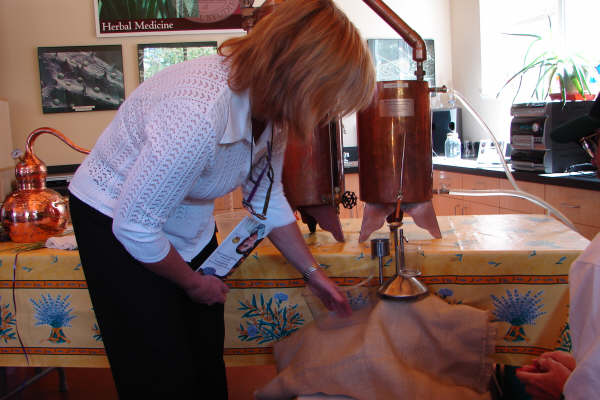
The Australasian College of Health Sciences held its 4th Annual Lavender Distillation and Open House on July 26. Many students, graduates, and friends visited the campus and participated in the festivities. The following blog about the Open House is from Mike Lenczewski, Nat 201 student. We'd love to hear from anyone else who attended, and if you have thoughts, experiences, or photos you'd like to share, we invite you to post them here.


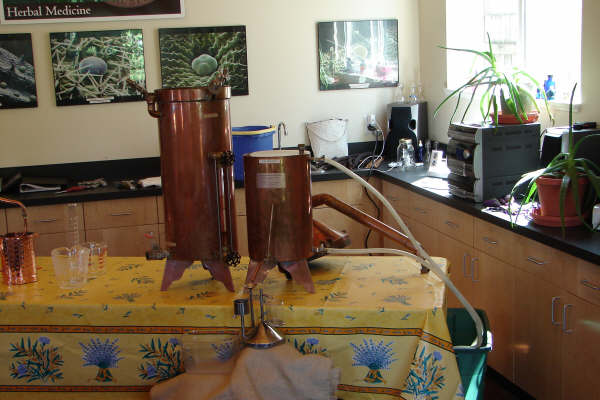
Lavender Distillation
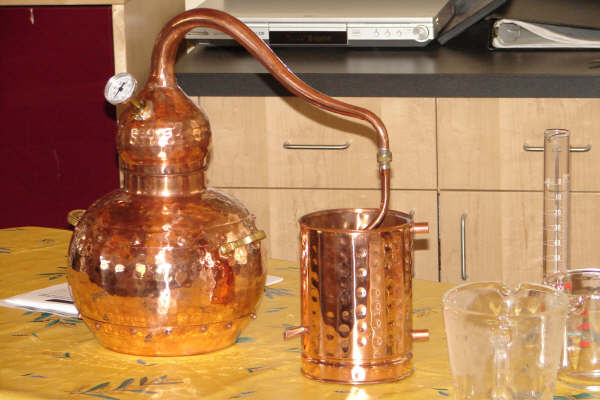
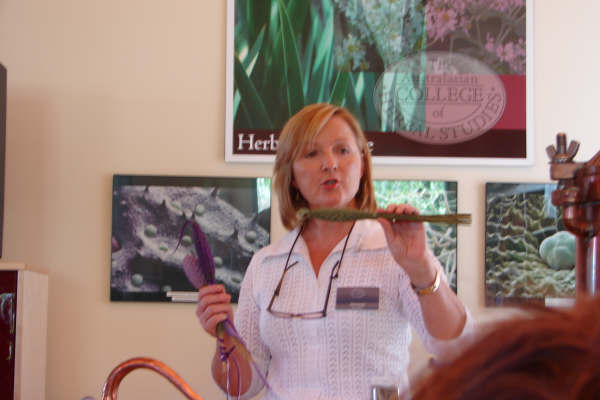
The following pictures show Dorene Petersen explaining the distillation process and show two different types of distillers. Distillation is a time consuming process that is more of an art than a process.

Copper Distiller and
Copper Alembic


Botanical Garden

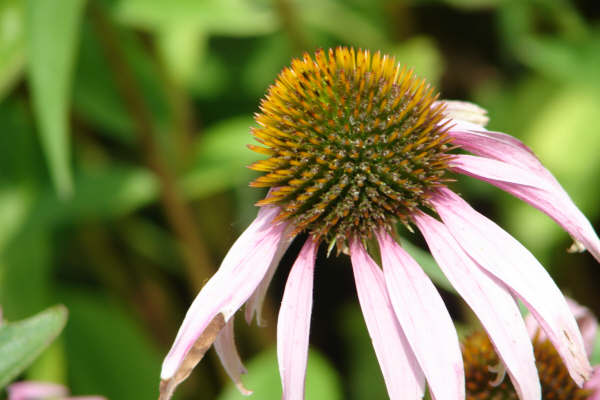
The following are pictures of the botanical garden tour guided by Dorene Petersen. The close-up pictures are pictures I took while walking the garden.


Picking Lavender


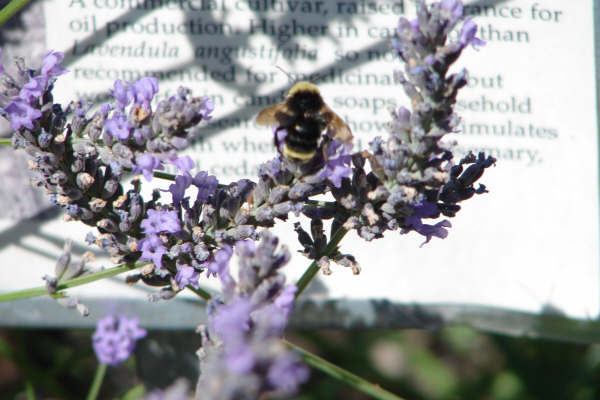
We were able to pick fresh lavender for $5 a bunch. The picture is me picking some lavender. The amazing thing is that bees were everywhere, but seemed sedated and did not even bother anyone in the garden.


Lavender Wands

We were also given instructions on and shown how to make lavender wands by Dorene. This process involves weaving ribbon through the fresh picked Lavender to create the wand. This skill requires patience, but is very relaxing.


The day ended with the Greece slideshow. The whole day was very informative and entertaining.
The trip from Spokane, WA to Portland, OR is about 5-6 hours. I stayed in Portland from 7/25 - 7/27 for a much needed vacation. The folloing photos are of Multnomah Falls which is where I stopped on the way home to stretch and take my beagle (Bailey) for a walk. It was a nice end to a great mini-vacation.


Friday, July 7, 2006

A week in the life of an ACHS Aromatherapy Instructor

"A week in the life of an ACHS Aromatherapy Instructor"
We have had quite the week here. We had a fun camping trip over the 4th of July holiday weekend, however, within the first five minutes of our arrival at the campsite, Hazel (my 5-year old) managed to fall off a rock and cut her face pretty badly. Fortunately I had my Aromatherapy first aid kit handy, and with regular applications of tea tree oil and my infused calendula oil, her cut is healing quite nicely. And amazingly, even with three days of camping and playing in the dirt, it didn't become infected. The rest of our camping trip was fun and relaxing.
Unfortunately once we got home, in the midst of doing all the camping laundry, our washer died (and it's a Maytag!), and that night, Matt (my 7-year old) was up all night with the stomach flu. I mixed two of the strongest antivirals I know: clove and cinnamon essential oils, and put them in the diffuser. It smelled like Christmas in July here, but thankfully, no one else got sick. Since bad things are supposed to come in 3's, I assumed we were "home free" for a while. Lesson learned: Never assume!
Yesterday we had the invasion of the bees: a swarm of bees moved into our garage, for the second time in a month! By swarm I mean thousands; the first time the exterminator took away a hive with over a pound of honey (two days work for bees), and charged us $400.00. Yesterday they showed up again; in the morning I saw a couple of bees in the front yard and I didn't think too much about it, but two hours later our front yard and inside the garage were covered with a black cloud of bees. So I sent the kids to a friend's house and called the exterminator again. He showed up in his bee keeper/hazmat suit and took care of them in about half an hour (this time for free - thank goodness!). So, of course, what I wanted to know was "why me?". The bee guy said that it's because we've been leaving the garage door open (the kids are around for the summer and they leave it open so they can get their bikes, scooters, etc.) and the bees come in through the open door. But as to what is drawing them in the first place -- he hands me a box with my 5 pound block of bees wax that I use for making creams and lotions! I keep my supplies in a cabinet in the garage, and the bees smelled the bees wax and thought this was a great place to build a hive! Who knew?! Another lesson learned: Don't keep your bees wax where bees have access to it. Sheesh!
Then, Geoff, my oldest, who is in Jr. Lifeguard training, forgot to apply sunscreen yesterday and came home with a terrible sunburn. We've been applying my mixture of jojoba oil, aloe gel, and lavender essential oil, and this morning it looked great!
Thankfully, the Maytag repairman arrived today to fix the washer. Then we discovered that with everything else that was going on, I had forgotten to remove the load of laundry that I was doing on Tuesday when the washer broke. It is amazing how fast a load of wet laundry can grow mold in 90 degree weather. It is even more amazing how quickly tea tree essential oil can kill that mold!
How do people survive without essential oils?
I'm looking forward to a relaxing weekend:) What else could happen, right?!"
Deborah Halvorson, BA, Cert Aroma, RA
deborahhalvorson@achs.edu

"A week in the life of an ACHS Aromatherapy Instructor"

We have had quite the week here. We had a fun camping trip over the 4th of July holiday weekend, however, within the first five minutes of our arrival at the campsite, Hazel (my 5-year old) managed to fall off a rock and cut her face pretty badly. Fortunately I had my Aromatherapy first aid kit handy, and with regular applications of tea tree oil and my infused calendula oil, her cut is healing quite nicely. And amazingly, even with three days of camping and playing in the dirt, it didn't become infected. The rest of our camping trip was fun and relaxing.
Unfortunately once we got home, in the midst of doing all the camping laundry, our washer died (and it's a Maytag!), and that night, Matt (my 7-year old) was up all night with the stomach flu. I mixed two of the strongest antivirals I know: clove and cinnamon essential oils, and put them in the diffuser. It smelled like Christmas in July here, but thankfully, no one else got sick. Since bad things are supposed to come in 3's, I assumed we were "home free" for a while. Lesson learned: Never assume!

Yesterday we had the invasion of the bees: a swarm of bees moved into our garage, for the second time in a month! By swarm I mean thousands; the first time the exterminator took away a hive with over a pound of honey (two days work for bees), and charged us $400.00. Yesterday they showed up again; in the morning I saw a couple of bees in the front yard and I didn't think too much about it, but two hours later our front yard and inside the garage were covered with a black cloud of bees. So I sent the kids to a friend's house and called the exterminator again. He showed up in his bee keeper/hazmat suit and took care of them in about half an hour (this time for free - thank goodness!). So, of course, what I wanted to know was "why me?". The bee guy said that it's because we've been leaving the garage door open (the kids are around for the summer and they leave it open so they can get their bikes, scooters, etc.) and the bees come in through the open door. But as to what is drawing them in the first place -- he hands me a box with my 5 pound block of bees wax that I use for making creams and lotions! I keep my supplies in a cabinet in the garage, and the bees smelled the bees wax and thought this was a great place to build a hive! Who knew?! Another lesson learned: Don't keep your bees wax where bees have access to it. Sheesh!
Then, Geoff, my oldest, who is in Jr. Lifeguard training, forgot to apply sunscreen yesterday and came home with a terrible sunburn. We've been applying my mixture of jojoba oil, aloe gel, and lavender essential oil, and this morning it looked great!
Thankfully, the Maytag repairman arrived today to fix the washer. Then we discovered that with everything else that was going on, I had forgotten to remove the load of laundry that I was doing on Tuesday when the washer broke. It is amazing how fast a load of wet laundry can grow mold in 90 degree weather. It is even more amazing how quickly tea tree essential oil can kill that mold!
How do people survive without essential oils?
I'm looking forward to a relaxing weekend:) What else could happen, right?!"
Deborah Halvorson

Tuesday, June 6, 2006

Study Abroad Travel Education Greece

Study Abroad Summer Session Greece
Nineteen students graduated from the ACHS study abroad 2006 Summer School. President Dorene Petersen, Master Distiller Robert Seidel, ACHS Registrar Heather Baley and a group of adventurous and dedicated ACHS students shared a wonderful, ten-day, aromatic educational experience on the Greek island of Syros. Classes and workshops included learning how to wildcraft aromatics for tinctures, infused oils and essential oil manufacture and complementary integrative medicine modalities such as iris analysis, reflexology and flower essence preparation. Set against a backdrop of clear azure blue waters with the fragrance of helichrysum and thyme in the air, classes and workshop were held at Villa Abela just 10 minutes by bus to the main town of Ermoupoli. Meals were based on the Mediterranean diet and students kept a wellness journal. Thymus capitatus, Salvia triloba, Rosmarinus officinalis and Perlargonium graveolens were harvested and distilled using a traditional steam still supplied by the Essential Oil Company. The 2007 study abroad ACHS Greece Summer School is limited to 20 students. If you would like more information contact ACHS Admissions.

Wednesday, May 24, 2006

ACHS Herb Garden Online

The ACHS herb garden is a wonderful example of an urban herb garden, with a wide variety of medicinal plants in both sunny and shady areas. The garden includes ginkgo trees, hops vines, a wide range of perennial and annual herbs, and a fountain, laid out in a semi formal pattern with flagstone pathways.
The garden is open year round to visitors and students, with a self guided tour available. During open houses and other events, faculty are happy to guide visitors through the garden. Sign up for our mailing list to be notified of these events.

Australasian College of Health Sciences (ACHS), based in Portland, Oregon, is a leader in natural health education. We are accredited by the Distance Education and Training Council and state licensed by the Oregon Department of Education. ACHS, founded in 1978, is one of the oldest and most respected distance education natural health colleges, offering flexible programs, a highly qualified faculty, and a diverse student body.

ShareThis